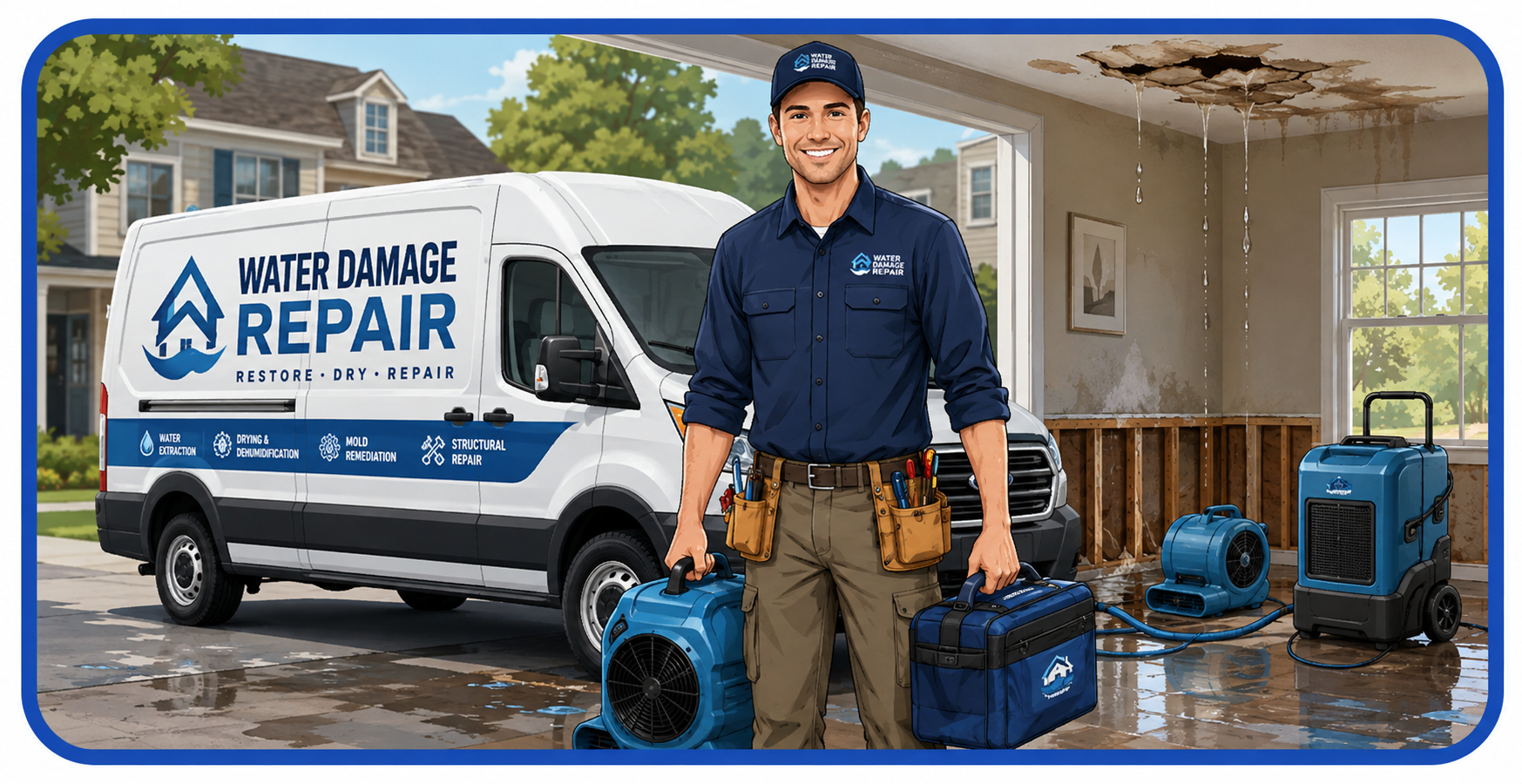
From a slow leak behind the drywall to a full basement flood, Newbern property owners call Aqua Guard Water Damage because we show up with the right gear the first time — no guesswork, no upsells at the door.
Call +1-844-234-5373 Now
Aqua Guard Water Damage built its Newbern operation around one standard: arrive fast, document everything with moisture readings and thermal imaging, and communicate the drying plan in plain language before we touch a single wall.
Every technician on our Newbern roster is background-checked, licensed, and insured, and every truck is stocked with commercial-grade air movers, low-grain-refrigerant dehumidifiers, and antimicrobial treatment for contaminated water intrusion.
We also carry direct experience working alongside insurance adjusters, so the documentation we generate on day one is already formatted the way most carriers expect to see it.

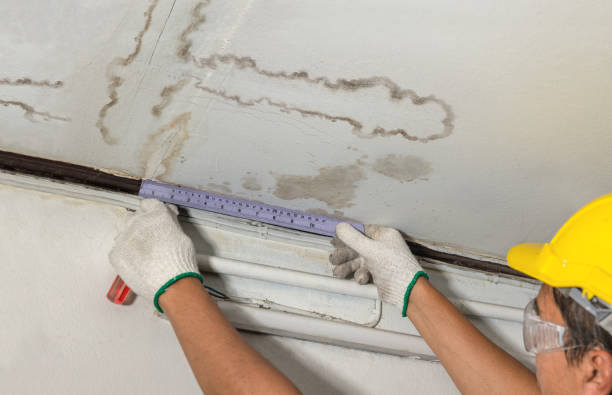
A stain that keeps reappearing after you paint over it is a signal, not a coincidence — the moisture source behind the wall hasn't been addressed and needs a moisture meter reading, not a fresh coat of paint. Repainting without finding the source just hides the problem for a few more weeks.
Musty odors that seem to follow you from room to room often mean the HVAC system is circulating spores from a hidden wet area, which spreads the problem rather than solving it.
Tile that suddenly sounds hollow when you tap it often means the mortar bed underneath has been sitting in moisture long enough to lose adhesion. That hollow sound rarely resolves on its own.
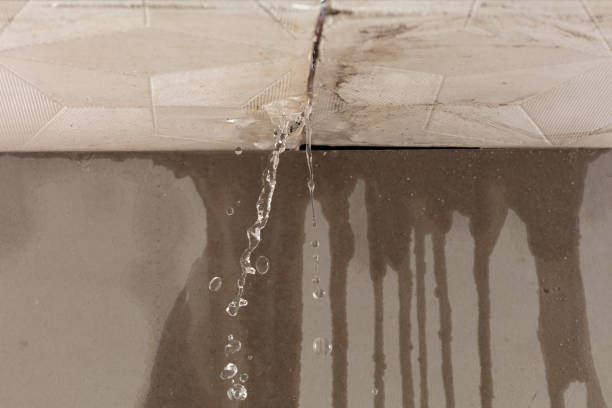
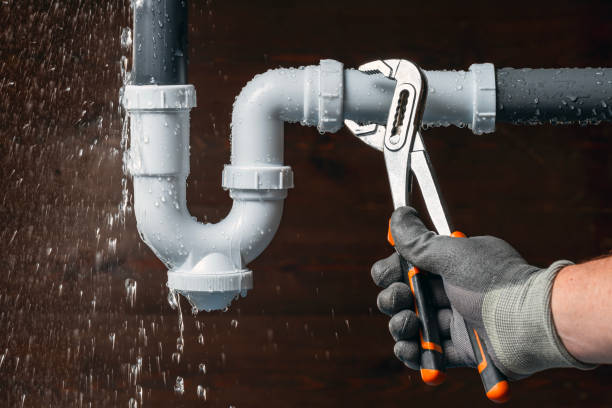
A running-water sound when every fixture in the house is off is a strong sign of a hidden leak feeding your rising bill.
Paint that bubbles or peels away from a wall, especially near baseboards, usually means moisture is pushing through from behind rather than a simple application problem.
Any visible mold, even a small patch in a corner or along a baseboard, means conditions behind that surface have supported growth for a while and the moisture source needs to be found, not just the mold wiped away.
We treat Mold Remediation as one continuous job rather than a series of handoffs — the crew that extracts the water is accountable for the drying results, and the drying results determine what reconstruction is actually needed.
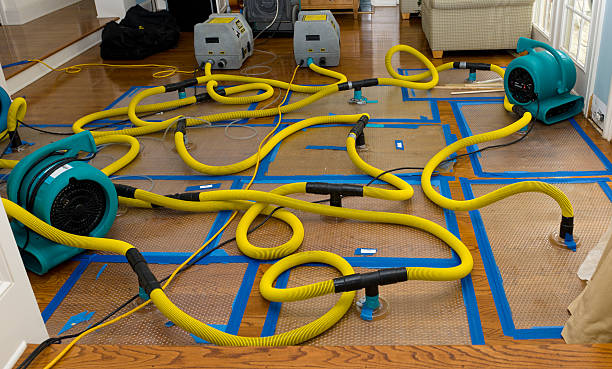
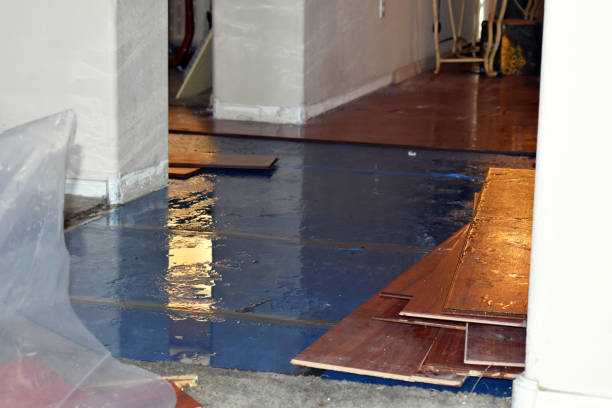
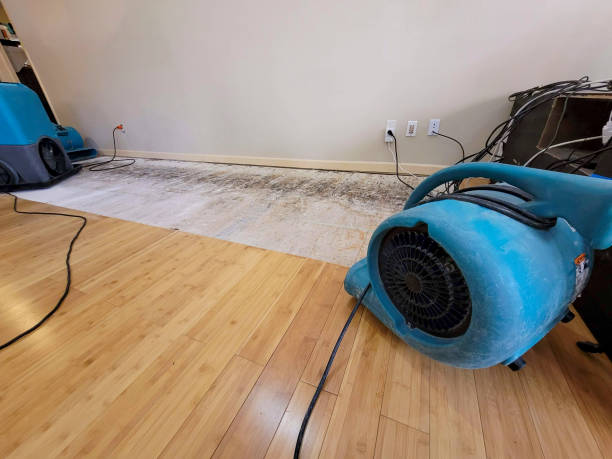
Standing water gets removed with commercial extraction equipment first, then we run moisture readings across every affected surface so the drying plan targets what's actually still wet, not what looks dry on the surface.
We place industrial air movers and low-grain-refrigerant dehumidifiers based on psychrometric readings, then log moisture levels daily until every affected material returns to a safe drying standard.
Blackwater jobs get treated with extra caution, since porous materials that touched contaminated water almost always need to be removed rather than dried in place.
If mold has already taken hold, our containment and remediation process isolates the affected zone with negative air pressure before any demolition begins, keeping spores from spreading to unaffected rooms.
Once the structure tests dry, our reconstruction team handles drywall, insulation, flooring, and trim so you're not managing a second contractor after the restoration crew leaves.
Specialized cleaning techniques can often save upholstery, electronics, and documents that look like a total loss at first glance, which keeps out-of-pocket replacement costs down.


Dispatch asks enough to prep the right equipment before the truck even leaves, so the crew isn't guessing what they'll find on arrival.
The assessment sets the entire plan — skipping it or rushing it is how jobs end up with hidden moisture pockets months later.
Extraction and drying run as one continuous process rather than two separate visits, which keeps the timeline tighter.
We re-test every affected area before calling a job complete, then coordinate repairs so you're not left with an open punch list.
Every technician carries IICRC certification and our crews are fully insured for your protection on every job.
Trucks are staged regionally so a crew can typically reach you well before a national chain's call center even finishes your intake form.
You get a written estimate before work begins, not a surprise invoice after the drying equipment is already running.
We stand behind every job with a documented re-inspection before we consider the work complete.
We'd rather run drying equipment an extra day at our own cost than close out a job with a moisture reading we're not confident in.
That same standard applies whether it's a single flooded bathroom or a full commercial loss — the sign-off criteria don't change based on job size.
Call +1-844-234-5373Whether your address falls in 38059 or one of the neighboring zip codes we cover, the same crew and the same response standard applies.
Coverage isn't limited to the city center — our Newbern routes extend out to the surrounding suburbs so outlying addresses aren't treated as an afterthought.

"The team here in Newbern treated our emergency like it actually mattered, not like another ticket in a queue, and the drying documentation they left us was thorough enough to hand straight to our insurer."
James R., Newbern"Our basement took on water during a storm and the crew classified it, extracted it, and had dehumidifiers running the same afternoon. The final invoice matched the upfront quote exactly."
Denise M., Newbern"Professional from the first phone call to the final walkthrough. They re-tested moisture levels before closing the job instead of just eyeballing it."
Marcus T., Newbern"The reconstruction crew matched our original flooring almost perfectly after the water damage repair — you'd never know there was a leak."
Priya S., Newbern"The thermal imaging inspection found damage behind a cabinet we never would have thought to check, which probably saved us from a much bigger mold problem down the road."
Carlos V., Newbern"They minimized business disruption by sectioning off the wet area instead of shutting down the whole space during drying."
Angela F., Newbern"The tech explained exactly which boards needed to come out and which ones tested dry enough to keep, so we didn't pay to replace more than necessary."
Tyrone B., Newbern"Storm runoff got into our crawl space and the smell alone told us something was wrong. The crew found the vapor barrier had failed and fixed the actual cause, not just the symptom."
Wendy K., Newbern